
How to Save Money on Subscriptions for Freedom
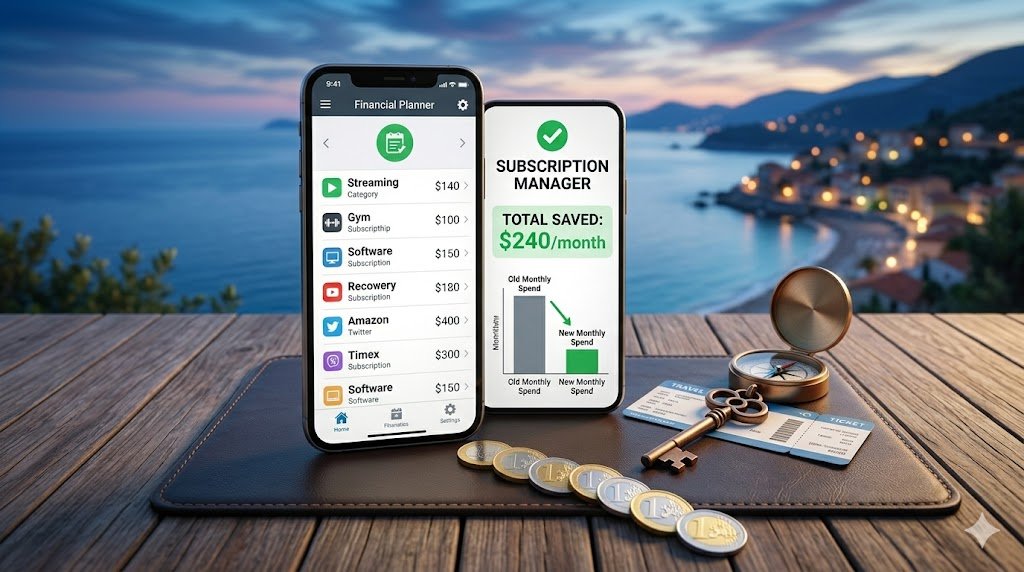
Do you know that how to save money on Subscriptions? If you don’t know I will tell you that how to save money on subscription in detailed and simple language. Subscriptions have become a normal part of daily life. Most people pay for streaming services, cloud storage, music apps, fitness memberships, software tools, and many other recurring services. At first, each subscription seems affordable. However, over time, these small monthly charges can quietly take a large portion of your income.
Many people do not realize how much they spend every month because the payments happen automatically. As a result, money leaves their bank account without much attention. While a single subscription may cost only a few dollars, several subscriptions together can easily add up to hundreds of dollars each year.
Why Subscription Costs Are Rising Faster Than Most People Notice
Subscription-based businesses have become extremely popular. Today, companies prefer recurring payments because they provide predictable revenue. As a result, consumers are constantly presented with new subscription offers.
Think about your typical month. You might pay for video streaming, music streaming, online learning platforms, cloud storage, productivity software, gaming memberships, and premium mobile apps. Individually, these services may not seem expensive. However, collectively, they can create a significant financial burden.
For example, imagine paying:
- $10 for a streaming service
- $8 for music streaming
- $12 for cloud storage
- $15 for a fitness app
- $20 for software tools
Although each amount appears manageable, the total reaches $65 every month. Over a year, that becomes $780. In many households, the actual number is much higher.
Furthermore, companies often increase prices gradually. Since the increase may only be one or two dollars, many customers do not notice it immediately. Consequently, monthly expenses continue growing without much resistance.
This is why subscription spending deserves attention. Small recurring expenses can have a larger impact than occasional one-time purchases.
The Hidden Impact of Automatic Payments
Automatic payments make subscriptions convenient. However, convenience can sometimes work against your financial goals.
When payments happen automatically, you no longer experience the feeling of spending money. As a result, subscriptions can remain active long after you stop using them.
Many consumers continue paying for services they rarely access. Some even forget they are subscribed. Therefore, money continues leaving their account month after month without delivering real value.
This situation becomes even more common when free trials convert into paid memberships. Because the transition happens automatically, many people do not cancel before the billing date.
The problem is not the subscription itself. Instead, the problem occurs when the subscription no longer provides enough value compared to its cost.
How Subscription Spending Affects Financial Freedom
Financial freedom is often associated with earning more money. While income is important, spending habits matter just as much.
Every dollar saved from unnecessary subscriptions is a dollar that can work toward a better purpose. For example, that money could be used to:
- Build an emergency fund
- Pay down credit card debt
- Increase retirement savings
- Invest for long-term growth
- Create additional income opportunities
Interestingly, many people focus on finding new ways to earn money while ignoring recurring expenses. However, reducing unnecessary spending often provides immediate financial benefits.
If you are interested in increasing your income alongside reducing expenses, consider reading our guide on maximizing your income as a freelance writer. Combining higher earnings with lower monthly costs can accelerate your journey toward financial freedom.
In the next section, we will look at how to identify subscriptions that are quietly draining your budget and why many people underestimate their recurring expenses.
How to Find the Subscriptions That Are Quietly Draining Your Budget
The hardest part about subscription spending is not the price. It is visibility. Because payments happen automatically, many people lose track of what they are paying for.
Start With Your Bank Statements
Begin by reviewing the last three months of your bank or credit card statements. Look specifically for recurring charges. These are payments that appear monthly or yearly with the same merchant name.
Common examples include:
- Streaming services
- Music platforms
- Cloud storage plans
- Fitness memberships
- Software subscriptions
- Gaming services
- Premium mobile apps
- News or magazine subscriptions
Create a simple list with three columns:
| Subscription | Monthly Cost | Do I Use It? |
|---|---|---|
| Netflix | $15 | Yes |
| Music App | $10 | Rarely |
| Cloud Storage | $3 | Yes |
This exercise is eye-opening. Many people discover subscriptions they forgot existed.
Calculate the Real Annual Cost
Monthly prices often feel small. Therefore, convert them into yearly amounts to see the bigger picture.
| Monthly Cost | Annual Cost |
|---|---|
| $5 | $60 |
| $10 | $120 |
| $20 | $240 |
| $50 | $600 |
Seeing the annual total changes perspective quickly. A service that seems harmless at $12 per month suddenly becomes a $144 yearly expense.
Ask One Simple Question
For each subscription, ask:
“If I had to pay for this manually every month, would I still buy it?”
This question removes the effect of automation and forces you to evaluate real value. If the answer is no, the subscription is likely a candidate for cancellation.
Watch for These Common Warning Signs
A subscription is probably costing more than it is worth if:
- You have not used it in the last 30 days.
- You keep it “just in case.”
- You forgot it existed.
- You have multiple services doing the same thing.
- The price increased and you did not notice.
- You only use one small feature of a much larger plan.
Practical Ways to Save Money on Subscription Services
Once you know what you are paying for, you can start reducing costs without feeling deprived.
Cancel Unused Subscriptions Immediately
Start with the easiest wins. Cancel anything you no longer use. Do not wait until “later,” because another billing cycle may pass before you act.
Most services allow cancellation online within a few minutes. Some companies make the process difficult, so stay persistent. Under consumer protection guidance from the Federal Trade Commission, companies should make cancellation reasonably accessible.
Downgrade Instead of Canceling
Sometimes you still use a service, but not enough to justify the premium plan.
For example, you might:
- Switch from a family plan to an individual plan.
- Choose ad-supported streaming instead of ad-free.
- Reduce cloud storage space.
- Move from monthly billing to annual billing if it is cheaper overall.
Downgrading keeps the service while lowering the cost.
Rotate Streaming Services
You do not need every streaming platform all year long. Instead, subscribe to one or two services at a time, watch the content you want, then switch.
For example:
- Subscribe to one service for two months.
- Watch the shows and movies you want.
- Cancel and move to another service.
This approach can cut streaming costs dramatically while still giving you access to fresh content.
Share Family Plans Responsibly
Many subscriptions offer family plans that are cheaper per person. Sharing with family members or trusted household members can reduce costs significantly.
However, make sure sharing complies with the service’s terms and remains manageable. Avoid complicated arrangements that create confusion about payments.
Set Renewal Reminders
Free trials and annual subscriptions are easy to forget. Therefore, set calendar reminders a few days before renewal dates.
This gives you time to decide whether the service is still worth paying for. A simple phone reminder can prevent unnecessary charges.
Use One Payment Method for Subscriptions
Keeping subscriptions on a dedicated credit card or bank account makes them easier to track. You can review one statement and quickly see every recurring charge.
This habit also helps you notice unexpected price increases or duplicate subscriptions.
Avoid “Bundle Creep”
Companies often bundle services together to encourage higher spending. While bundles can save money in some cases, they can also hide unused features.
Before accepting a bundle, compare the total cost with what you actually use. Paying for five services is not a bargain if you only use two.
The Goal Is Not Extreme Frugality
Saving money on subscriptions does not mean cutting all entertainment or convenience from your life. The goal is intentional spending.
Keep the services that genuinely improve your life and remove the ones that do not. A well-used subscription can be worth every dollar. An ignored subscription is simply a recurring leak in your budget.
In the final part, we will look at how to build long-term habits that keep subscription spending under control and help you maintain financial freedom over time.
Building Long-Term Habits to Control Subscription Spending
Saving money on subscriptions is not something you do once and forget about. New services appear every year, and companies constantly introduce premium features, upgrades, and special offers. Therefore, maintaining control over your subscription spending requires regular attention.
Fortunately, this does not have to be difficult. A few simple habits can help you avoid unnecessary expenses while keeping the services that genuinely improve your life.
Schedule a Subscription Review Every Three Months
Many people review their budget only when money becomes tight. However, a better approach is to review your subscriptions regularly.
Every three months, set aside 15 to 20 minutes to check your recurring payments. During this review, ask yourself:
- Am I still using this service?
- Does it provide enough value?
- Has the price increased?
- Is there a cheaper alternative?
- Would I subscribe again today?
As a result, you stay in control instead of allowing automatic payments to make decisions for you.
Focus on Value, Not Just Price
One of the biggest mistakes people make is focusing only on cost. While saving money is important, value matters more.
For example, a $15 monthly subscription that helps you learn new skills or improve your productivity may be worth keeping. On the other hand, a $5 subscription that you never use is wasting money.
Therefore, evaluate subscriptions based on how much benefit they provide relative to their cost.
This mindset helps you spend intentionally rather than simply spending less.
Create a Monthly Subscription Budget
Most people budget for groceries, transportation, and utilities. However, many forget to create a separate category for subscriptions.
A dedicated subscription budget helps you set clear limits. Once you reach that limit, adding a new subscription means removing another one.
This approach prevents subscription costs from growing unnoticed over time.
According to financial education resources available through MyMoney.gov, tracking recurring expenses is an important part of maintaining a balanced household budget.
Be Careful With Free Trials
Free trials are designed to encourage long-term subscriptions. While many offers provide genuine value, some rely on customers forgetting to cancel.
Before starting a free trial:
- Check the renewal date.
- Read the pricing details.
- Set a reminder on your phone.
- Decide whether you truly need the service.
As a result, you remain in control of the decision rather than allowing automatic billing to decide for you.
How to Save Money on Subscription Without Sacrificing Value
Subscription services can make life more convenient, but the monthly costs can quickly add up. If you’re wondering how to save money on subscription services, start by reviewing your bank statements and identifying recurring charges you no longer need. Creating a spending plan and tracking your expenses can help you spot unnecessary subscriptions before they drain your budget. The Federal Trade Commission offers consumer guidance on recurring payments and subscription cancellations, while educational resources from MyMoney.gov can help you build stronger money-management habits. By regularly auditing your subscriptions and prioritizing only the services you truly use, you can reduce wasteful spending and put more money toward your financial goals.
How to Save Money on Subscription and Boost Your Financial Freedom
Learning how to save money on subscription services is one of the easiest ways to improve your finances without making major lifestyle changes. Start by reviewing all recurring payments and canceling subscriptions that no longer provide value. Even small monthly charges can add up to hundreds of dollars each year. The money you save can be redirected toward building an emergency fund, paying off debt, or increasing your income through side hustles. For example, if you’re interested in earning extra money online, you can explore our guide on maximizing your income as a freelance writer, which covers practical strategies for growing your freelance earnings. Combining smart spending habits with additional income sources can help you reach your financial goals faster.
Conclusion
Learning how to save money on subscription services is one of the simplest ways to improve your finances. While each monthly payment may seem small, multiple subscriptions can quietly consume a significant portion of your income over time.
Fortunately, you do not need to eliminate every service you enjoy. Instead, focus on understanding what you pay for, evaluating the value each subscription provides, and removing expenses that no longer serve a purpose.
When you regularly review your subscriptions, track recurring payments, and make intentional spending decisions, you keep more money available for the things that truly matter. Over time, those savings can support your emergency fund, investments, debt reduction, and long-term financial freedom goals.
The path to financial freedom is often built through small decisions repeated consistently. Managing subscription expenses is one of those decisions. Start today, and you may be surprised by how much money stays in your pocket each month.
FAQ
How can I save money on subscription services?
You can save money by reviewing recurring payments regularly, canceling unused subscriptions, downgrading premium plans, and avoiding unnecessary renewals.
How often should I review my subscriptions?
A review every three months is usually enough to identify unused services and prevent unnecessary spending.
Are annual subscriptions cheaper than monthly plans?
In many cases, annual plans offer discounts compared to monthly billing. However, only choose an annual plan if you expect to use the service throughout the year.
Why do subscriptions feel difficult to manage?
Because payments happen automatically, many people stop noticing them. Regular reviews help bring these expenses back into focus.
Can saving money on subscriptions really improve finances?
Yes. Even small monthly savings can add up over time and contribute toward savings, investing, debt repayment, and financial freedom.